Salon POS vs Generic POS: Why Your Beauty Business Needs Specialized Software
March 2026
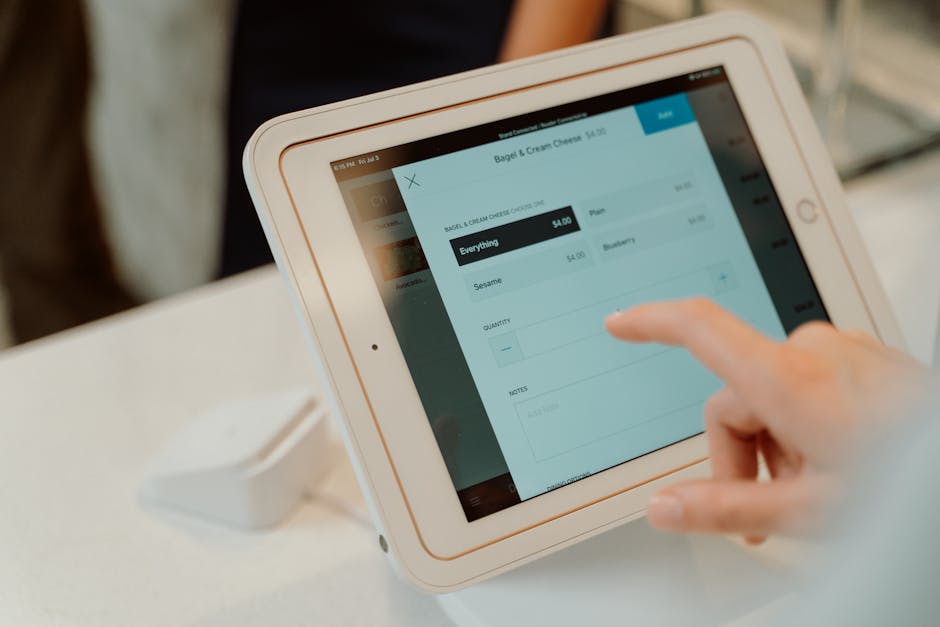
When a nail salon or spa tries to use a restaurant POS or retail POS, the friction starts immediately. There is no appointment management. Tip splitting requires manual calculation. Employee scheduling is basic or nonexistent. Client profiles lack service history.
What Generic POS Gets Wrong
Generic systems treat every sale as a product transaction. But salon services are time-based, technician-assigned, and often bundled. A manicure-pedicure combo with a specific technician at a specific time is fundamentally different from scanning a barcode at a cash register.
Features Salon POS Usually Has
- Appointment scheduling with technician assignment and availability tracking
- Walk-in waitlist with estimated wait times and SMS notifications
- Configurable tip pooling with role-based splits and compliance reporting
- Service-based client profiles tracking visit history, preferences, and loyalty points
- Employee scheduling with clock in/out, break tracking, and commission calculation
- Individual staff logins (PINs, and on some systems biometric login) for security and time tracking accuracy
The Cost of Using the Wrong System
Without salon features, someone ends up doing tip calculations by hand, tracking walk-ins on paper, and building schedules in spreadsheets. Example: if that takes a manager 45 minutes a day at $20/hour, it costs $15/day — about $4,500 over 300 working days. A salon-specific system automates most of this.
Hardware Flexibility Matters
Salon spaces are compact. You need a POS that runs on a tablet at the front desk, a phone for technicians to check their schedule, and possibly a display in the waiting area. Browser-based systems eliminate the need for bulky proprietary terminals. Any device with a browser becomes a workstation — no app download required.
Built for Beauty Businesses
KwickOS: online booking, commission management, loyalty, gift cards and 24/7 multi-language support. Runs in a web browser.
Get a Free Demo →