By SalonPOSSystem Editorial Team · May 2026 · 11 min read ·
Salon Loyalty Points System: Build VIP Programs That Keep Clients Coming Back
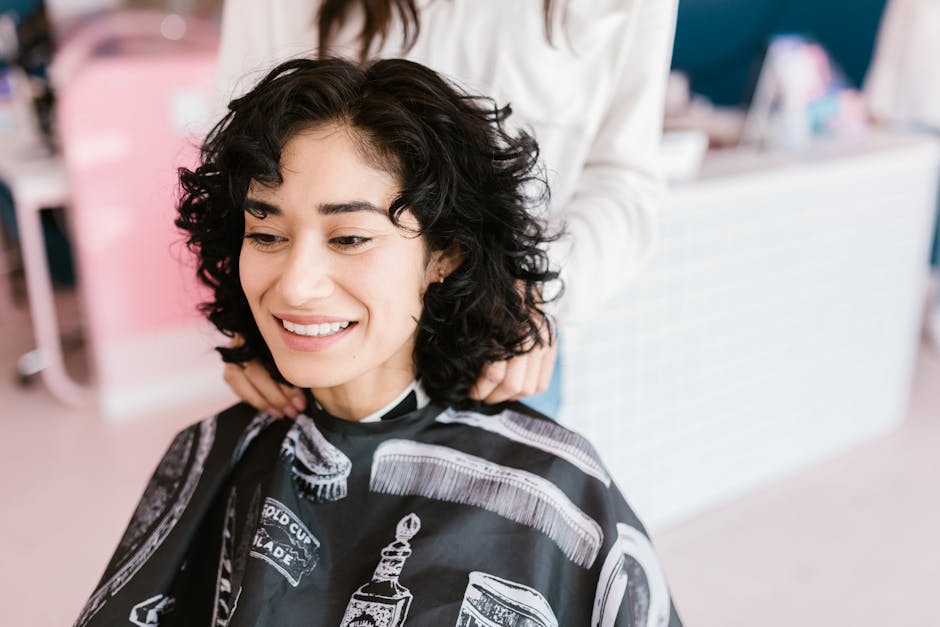
Example: picture a 6-chair hair salon whose books are full in December and almost empty in February. It has 40 or so loyal clients who keep coming back, and another 300 who visited once and vanished. Turning even 20 of those one-timers into regulars would make a real difference to annual revenue. The problem is there is no system to make that happen — just a punch card in a drawer that clients forget to bring.
If this sounds familiar, you are not alone. Retention is a lever many salons underuse, and a well-designed loyalty and points program is one way to pull it. This guide walks you through every component: why old methods fail, how points and tier structures work, how referrals compound growth, and how automation makes it easier to run.
1. Why Punch Cards Are Dead — and What Replaced Them
The physical punch card was a fine idea in 1985. You stamp it ten times, you get a free haircut. Simple. But punch cards have a structural problem: they only reward the client who remembers to bring them, and they give you zero data. You never know who your top spenders are, you cannot send a targeted offer, and you have no idea whether the free haircut you gave out actually brought the client back a second time after redeeming it.
Some clients who earn a punch-card reward never claim it, and even among those who do redeem, there is no way to track whether the reward changed their behavior.
What replaced punch cards is a digital-first, data-connected loyalty ecosystem. Many modern salon POS systems tie every transaction to a client profile. Points are assigned automatically at checkout. Redemptions happen on a tablet or phone. And every interaction — every earn, every burn, every referral — feeds into analytics that help you understand what is actually driving rebooking.
The shift is not just technological. It is strategic. You are no longer handing out a free blowout hoping for the best. You are engineering a relationship that compounds over time.
2. Points-Based Loyalty: Earning and Redemption Structures
The foundation of any modern salon loyalty program is a points economy. Clients earn points for spending money, and they redeem points for rewards. Simple in concept, but the details matter enormously.
Setting your earn rate
A common structure in salon loyalty programs is 1 point per dollar spent. That means a client who books a $120 color service earns 120 points in one visit. At a redemption value of 1 cent per point, those 120 points are worth $1.20. That feels thin, which is why many programs either:
- Set a higher redemption value (e.g., 1 point = 2 cents, so 100 points = $2 off)
- Use bonus multipliers for certain services or time periods
- Add flat bonus awards for specific actions (booking online, leaving a review, referring a friend)
Structuring redemptions
Redemptions should feel attainable but not trivially easy. A client who earns 100 points on their first visit should be able to see a reward within 2–3 visits, not 20. A common threshold is 500 points = $10 reward, which means a client spending $60–80 per visit gets there in about 6–8 visits — roughly every six to eight months if she comes monthly. That is a meaningful milestone without being so distant it kills motivation.
Tip: Offer redemption flexibility. Let clients choose between a dollar discount, a free add-on service, or a product item. Clients who feel in control of their reward are more likely to stay engaged with the program.
Bonus earn events
Double-points weeks, category bonuses (e.g., 3x points on retail purchases in January), and action bonuses (50 points for booking online, 100 points for completing a profile) keep the program feeling dynamic. Clients who feel like they are playing an active game with clear rewards may earn faster and rebook more consistently.
3. Multi-Tier VIP Programs — The Psychology of Status
Points alone are transactional. Tiers are emotional. When you tell a client she has achieved Gold status, you are not just giving her a benefit — you are giving her an identity. And identity can be a more powerful retention mechanism than a discount.
Example three-tier structure for a salon:
| Tier | Threshold (Annual Spend) | Benefits |
|---|---|---|
| Silver | $0 — $499 | 1x points, birthday reward, member pricing on retail |
| Gold | $500 — $1,199 | 1.5x points, priority booking, free deep conditioning add-on quarterly |
| Platinum | $1,200+ | 2x points, dedicated stylist preference, free treatment monthly, early access to new services |
Notice that the Platinum threshold ($1,200/year) is only $100/month — achievable for a client who gets a full color service every 6–8 weeks. These are not mythical big spenders. They are your regulars. Naming them Platinum and giving them visible perks turns a habit into a commitment.
The near-miss effect
People often speed up when they are close to a goal. A client who is $80 away from Gold status before the year ends may book an extra service or buy a product specifically to cross that line. Your loyalty software should surface these messages automatically: "You are 80 points away from Gold — book your next appointment to get there."
Tier downgrade notifications work similarly. Alerting a Gold client in October that she needs one more visit to maintain her status for next year can be an effective message.
4. Referral Engine — Turning Clients Into Recruiters
Word of mouth is a major growth channel for many salons. A referral program formalizes that channel, tracks it, and amplifies it. Referred clients arrive already trusting the friend who sent them.
A well-designed referral engine has three components:
- A clear offer for the referrer. "Give your friend $15 off their first visit and earn 200 bonus points when they book." The referrer gets points (extending their loyalty engagement) and the new client gets a risk-reduction incentive.
- A unique referral code or link. Every client should have a personal referral code that can be texted or shared on social media. No code, no tracking, no attribution, no analytics.
- Automatic fulfillment. Points should land in the referrer's account the moment the new client completes their first appointment — not when a manager manually processes it. Delays kill excitement.
5. Birthday Rewards and Anniversary Perks — Automated Personal Touches
There is something deeply human about being remembered on your birthday. A birthday reward — even something modest like 100 bonus points or a complimentary scalp massage add-on — feels personal in a way a generic promotion does not.
The key word is automated. You cannot rely on a receptionist remembering which clients have birthdays this week. Your POS should automatically trigger the birthday reward 7–14 days before the client's birthday, giving her enough time to book an appointment around it.
Anniversary perks
Client anniversaries — the date of their first visit — are an underused retention trigger. A message that says "Happy 2-year anniversary with us! Here's a $20 loyalty credit to say thank you" does two things: it reminds the client that she has a history with your salon (reinforcing identity and switching cost), and it gives her a reason to book if she has been slipping in her visit frequency.
Automation checklist: Birthday reward (7 days before) · Birthday follow-up if not redeemed (2 days after birthday) · 1-year anniversary reward · 2-year anniversary upgrade perk · Lapsed client win-back at 90 days of no booking
Every one of these touchpoints should fire without anyone lifting a finger. That is the difference between a loyalty program and a loyalty system.
6. Data-Driven Loyalty: Tracking Which Rewards Drive Rebooking
Most salon owners know that their loyalty program "seems to be working" but cannot tell you which specific reward is responsible for retention. That ambiguity is a problem because it prevents optimization.
A modern loyalty system should surface at minimum:
- Redemption rate by reward type — Are clients redeeming dollar discounts more than free add-ons? Does the product reward convert better than the service reward?
- Time-to-rebook after redemption — Do clients come back faster after redeeming a birthday reward versus a standard points redemption?
- Tier conversion rate — What percentage of Silver clients achieve Gold within 12 months? Where do clients stall?
- Referral attribution — Which clients are your top referrers? Are Platinum members referring more than Silver members?
- Lapse rate by tier — Are Gold clients churning at a lower rate than untiered clients? (They should be.)
When you have this data, you can make decisions like: "Our free treatment add-on drives 40% faster rebooking than the dollar discount — let's push that reward more prominently." Or: "Clients who refer someone rebook within 30 days at twice the rate of non-referrers — let's put more energy into referral activation."
Data-driven loyalty management is not just for large chains. Even a salon with a few hundred active clients can learn from this data.
7. Loyalty Program ROI
Bain & Company’s Fred Reichheld reported that in financial services, a 5% increase in customer retention produced more than a 25% increase in profit, because returning customers buy more and cost less to serve (Bain, “Prescription for cutting costs”). Salons are a different business, but the same logic applies.
Example: suppose your average first-time client spends $75 per visit and visits twice a year. That's $150 in annual revenue. A loyal, tiered member spending $90 per visit and coming every 5 weeks generates over $900 annually — a 6x difference in lifetime value from a single client relationship shift.
Example: using the figures above, moving one client from $150 a year to about $900 a year adds roughly $750; doing that for 30 clients adds about $22,500 a year. Compare that with the cost of the software you would use to run the program.
8. How KwickOS Loyalty Works
KwickOS (KwickPOS) includes a loyalty program with multi-tier membership, digital and physical gift cards, SMS reminders and promotions, a marketing tool, and the KwickView reporting app, all inside the POS. Ask during a demo how the points, tier, birthday and referral rules described above would be set up for your salon.
See KwickOS Loyalty in Action
Schedule a free demo and we will walk you through the loyalty program.
Book a Free Demo →9. Comparison Table: No Program vs. Punch Card vs. Basic Digital vs. KwickOS
| Feature | No Program | Punch Card | Basic Digital | KwickOS |
|---|---|---|---|---|
| Points tracking | None | Manual stamp | Automatic | Ask in demo |
| Client data captured | None | None | Basic (name, email) | Ask in demo |
| Tier / VIP levels | No | No | Sometimes (manual) | Yes (multi-tier membership) |
| Birthday rewards | No | No | Manual or basic email | Ask in demo |
| Referral tracking | No | No | Rarely | Ask in demo |
| Analytics & ROI reporting | None | None | Basic redemption counts | KwickView reporting app |
| Lapse win-back automation | No | No | Sometimes (manual) | Ask in demo |
| Redemption flexibility | N/A | One fixed reward | Dollar discount only | Ask in demo |
10. Frequently Asked Questions
How long does it take to see results from a salon loyalty program?
Start tracking rebooking rates and average ticket size from launch. Effects on annual churn take longer to show; around the 6-month mark you can compare cohort retention with the same period the prior year. Automated birthday and lapse win-back triggers act on existing clients right away, so they are a good place to look for early signals.
What is the right earn rate so rewards feel valuable without hurting margins?
Start by deciding what share of revenue you are willing to give back as rewards (your loyalty liability). Example: if your average service ticket is $85 and your redemption rate is 60%, an earn rate of 1 point per dollar with a redemption value of $0.01 per point creates a liability of about $0.51 per client visit — under 1% of the ticket. Run the math for your own numbers before launch and check your breakeven at both 50% and 80% redemption scenarios.
Should points expire?
Point expiration is a double-edged tool. Expiration encourages engagement (use-it-or-lose-it urgency) but can create client frustration and negative brand associations if large balances disappear without sufficient warning. One approach: set a 12–18 month expiration with at least two reminder messages sent before expiration, and check any state rules that apply to rewards. Never expire points silently.
Can a small salon with only 150 clients justify a full loyalty program?
Yes. Each retained client is a larger share of a small salon’s revenue. Example: if 20 irregular visitors became monthly regulars spending $75–$100 a visit, those visits would total $18,000–$24,000 a year. The key is choosing a platform where setup is fast and ongoing management is automated, so the owner is not spending hours each week administering the program manually.
How do I get clients to actually sign up for the loyalty program?
A strong enrollment driver is a point-of-sale prompt at checkout: "Would you like 100 bonus points just for joining our rewards program today?" A staff member asking face-to-face usually works better than a sign. Supplement this with a sign-up bonus prominent on your booking confirmation page, a QR code at the front desk, and a mention in your post-visit follow-up text. Do not rely on passive promotion (a poster on the wall). Active enrollment conversations, backed by an immediate reward, are what move the needle.
Ready to Build a Loyalty Program?
KwickOS includes a loyalty program with multi-tier membership, gift cards and SMS promotions — all inside your salon POS. Call us or request a demo today.
(888) 355-6996 — Free Demo