The No-Show Problem: How Missed Appointments Drain Your Salon
May 2026 · 10 min read
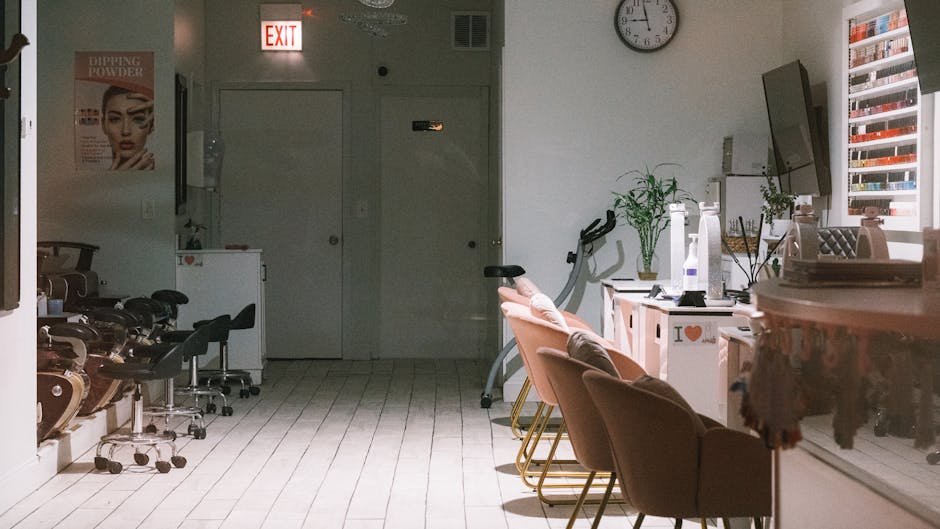
Pull up your appointment book from last month. Count the no-shows. Now multiply that number by what a missed appointment costs you.
Example: if your average service ticket is $65, the retail product you would have sold is $12, and the prep for a station nobody sat in costs $5, each missed appointment costs you about $82. Use your own numbers.
Actually, it is worse than that. Because a no-show does not just cost you the missed service. It costs you the client who would have filled that slot if you had known it was available.
Example math: A hypothetical salon averaging 3 no-shows per day, 5 days a week, at $82 per no-show = $246/day = $1,230/week = $63,960/year. Cutting that in half would save $31,980 a year.
Why Clients No-Show
Before you can fix it, you need to understand it. Common reasons clients miss appointments, and what helps:
| Reason | Preventable? |
|---|---|
| Simply forgot | Yes — automated reminders |
| Something came up (conflict, emergency) | Partially — easy rescheduling |
| Found a cheaper/closer option | Yes — loyalty and deposits |
| Bad experience last time | Yes — follow-up and recovery |
| Anxiety about confrontation (wanted to cancel but did not) | Yes — no-judgment online cancellation |
Look at that first reason. A client who simply forgot is the easiest no-show to prevent — a reminder text solves it.
Strategy 1: The Two-Touch Reminder
A single reminder the day before helps. A two-touch system goes further: an initial reminder 48 hours before, followed by a confirmation request 2 hours before.
The 48-hour reminder gives clients enough time to reschedule if they have a conflict. The 2-hour confirmation catches the forgetful ones and gives you a last-minute window to fill the slot from your waitlist.
The key is making both messages actionable. Do not just say "Reminder: you have an appointment tomorrow." Instead:
"Hi Sarah — looking forward to seeing you Thursday at 2pm for your balayage with Maria. Need to change? Tap here to reschedule or reply CANCEL."
That single sentence does three things: reminds them of the specific service (so they remember why they booked), makes rescheduling easy (so they do not just ghost), and confirms the stylist name (a personal touch).
Strategy 2: Deposits That Do Not Scare People Away
The fear with deposits is always the same: "I will lose clients." You may lose some price-shoppers, but clients who reliably keep their appointments are rarely put off by a deposit that is applied to their bill.
One approach is tiered deposits, for example:
- Services under $75: no deposit required
- Services $75-$150: $25 deposit (or 20%)
- Services over $150: 50% deposit
- New clients: flat $25 deposit for any service (refunded against the final bill)
Frame it as a booking guarantee, not a penalty. "To guarantee your time slot, a $25 booking fee will be applied to your service." That is a very different emotional response than "we charge a deposit because people do not show up."
Strategy 3: A Cancellation Policy With Teeth (And Grace)
Every salon needs a cancellation policy. Very few enforce one well. The problem is usually binary: either the policy exists on paper and is never enforced, or it is enforced rigidly and damages client relationships.
One approach: a two-strike system.
- First no-show: Friendly text acknowledging the miss, offering to rebook. No charge. "We missed you today! Would you like to reschedule? Reply with a date that works."
- Second no-show: Polite but firm. The client is moved to "deposit required" status. All future bookings require a deposit. Explain why — "To ensure we can hold your preferred time, we now require a booking deposit."
- Third no-show: The client can only book same-day or next-day. No advance booking privileges.
This system is fair, escalating, and clearly communicated. It protects your business without making one-time offenders feel punished.
Strategy 4: Smart Waitlist Management
A no-show only costs you money if the slot stays empty. A smart waitlist fills cancellations automatically.
When a client cancels or is marked as a no-show, your POS should immediately notify waitlisted clients who match the time slot. The best systems send a text: "A 2pm spot just opened today with Maria. Want it? Reply YES to book."
First-come, first-served. What was a lost-revenue event becomes a delighted client who got in sooner than expected.
For this to work, you need to actually maintain a waitlist. Train your front desk to ask every client who cannot get their preferred time: "Would you like to be on our priority list? We will text you if this slot opens up."
Strategy 5: Flag Your Repeat Offenders
Many no-shows come from a small group of repeat offenders. Track patterns and you will see who they are.
Your POS should flag clients by reliability. A simple three-tier system works:
- Reliable (0-1 no-shows in 12 months): standard booking, no restrictions
- At-risk (2 no-shows in 12 months): deposit required, double-confirmation enabled
- High-risk (3+ no-shows in 12 months): same-day booking only, deposit required, or strategic double-booking for their time slot
Strategic double-booking is controversial and only worth considering sparingly. For example, if you know a client no-shows 40% of the time, booking a second client in a partially overlapping slot protects your revenue. The risk is that both show up — at a 40% no-show rate, that still happens most of the time — so plan how you will handle it, and accommodate the reliable client first.
Strategy 6: Reward the Ones Who Show Up
Most loyalty programs reward spending. Few reward reliability. Flip that.
Give loyalty points not just for services purchased, but for showing up on time. After 10 consecutive kept appointments, offer a complimentary add-on service. After 20, a free product. After 50, lifetime VIP status with priority booking.
This creates a positive incentive loop. Clients do not just avoid penalties for missing — they earn rewards for showing up. It reframes the whole relationship from punitive to positive.
The Combined Effect
You will not eliminate no-shows completely. Emergencies happen. People get sick. But reminders, deposits, a clear policy and a working waitlist reinforce each other. Track your no-show rate for a month before and after each change so you know what actually works for your salon.
FAQ
Will deposit requirements scare away clients?
You may lose some price-shoppers. Reliable clients are less likely to mind, especially if the deposit is applied to their bill. Watch your bookings and no-show rate after the change to see the net effect.
How do I word my cancellation policy?
Keep it simple: "We request 24 hours notice for cancellations. Missed appointments without notice may require a deposit for future bookings." Post it on your booking page, include it in confirmation texts, and print it on your service menu. Clear communication prevents confrontation.
What if a client has a legitimate emergency?
Use judgment. The two-strike system gives everyone one free pass. For genuine emergencies beyond that, waive the policy manually. Your POS should let you override on a case-by-case basis without changing the system-wide rule. Document the exception.
Stop Losing Revenue to Empty Chairs
KwickOS offers online booking, SMS reminders, and a wait list to help keep chairs filled.
See How It Works →